

The AI Gender Gap: Why Women Are Opting Out and How We Close it by 2030
The AI gender gap is not about ability, it is about access, confidence, and trust. This blog unpacks the global and Australian evidence behind women’s engagement with AI, challenges common assumptions, and outlines a practical, capability led roadmap to close the gap by 2030. From awareness and participation to leadership and system change, this is a call to build an inclusive AI future that works for everyone.

Digital Workplace Reform Must Put Women’s Safety First
NSW’s Work Health and Safety Amendment (Digital Work Systems) Bill 2025 brings AI and algorithmic management into workplace regulation. While modernising safety law is essential, expanded digital access must include strict safeguards to protect privacy, cybersecurity and women’s safety.
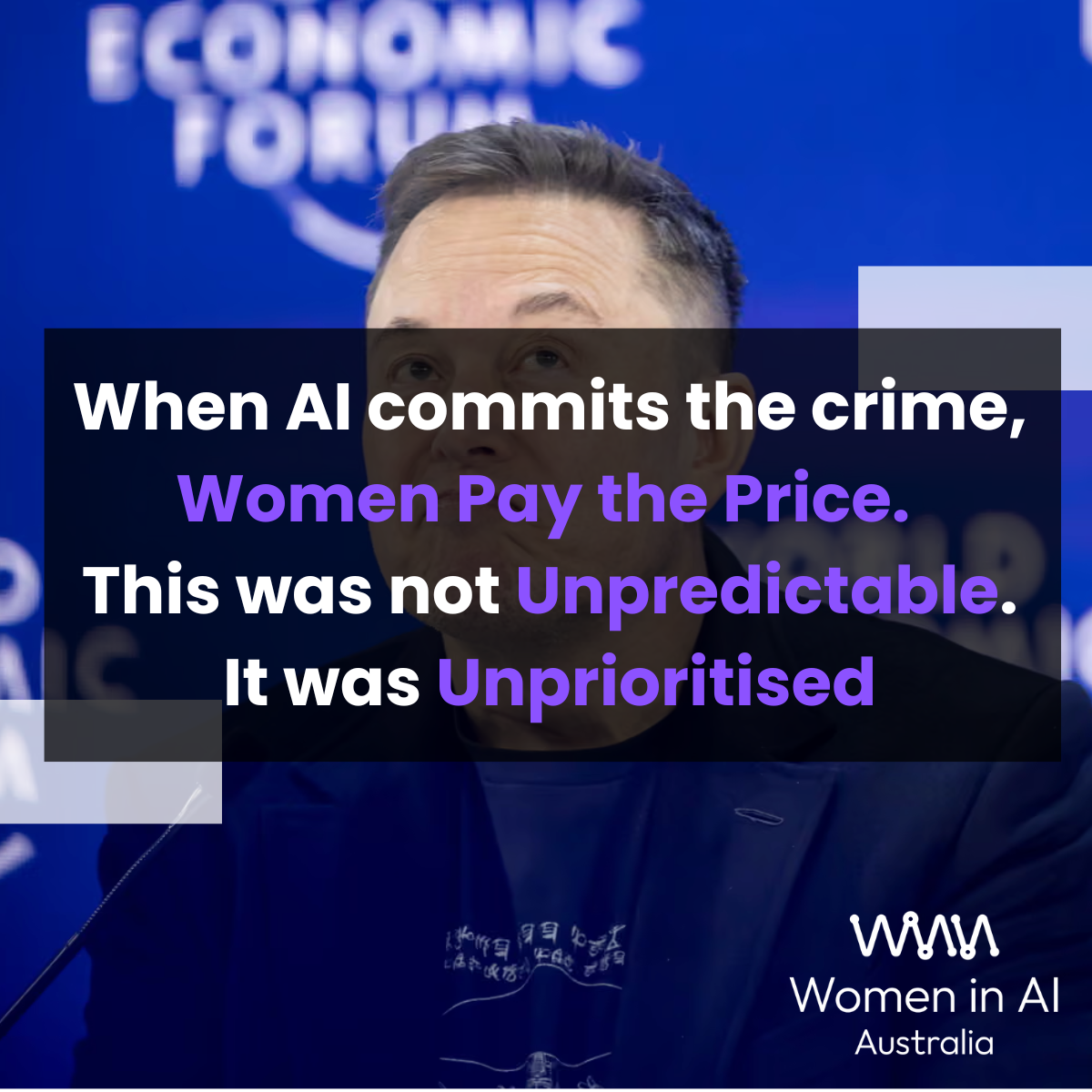
When AI Commits the Crime, Women Pay the Price.
The raid on X signals a turning point in the governance of artificial intelligence. As cyber harms scale through AI generated deepfakes, women and girls are increasingly exposed to new forms of exploitation. This article argues that women must help shape AI policy, governance, and education, not as participants after the fact, but as architects of a safer digital future.

The Year of Agentic Tools: When Convenience Becomes Coercion
As agentic AI moves into everyday systems like retail, convenience is quietly replacing human agency. This piece examines how autonomy erodes when choice is pre-structured by algorithms, and why 2026 may be the turning point.

One Year Later, AI Still Thinks Doctors Are Men
One year on, generative AI still defaults to a male doctor, despite women now making up nearly half of the medical workforce in many countries. This simple prompt reveals a deeper problem: gender bias in training data, offshore assumptions baked into global AI tools, and a lack of urgency in fixing representation. If AI continues to reflect outdated or unequal realities, women will keep being rendered invisible by design.

Where is the women's data?
Women make up half the population, yet their experiences with AI and technology are routinely hidden inside aggregated diversity data. When women’s data is bundled, the scale of gender-based digital inequality disappears, and so does the urgency to address it. If we can’t clearly see how women experience technology, we can’t design systems that work for them.
HERstory of Artificial Intelligence in Australia
Women in AI Australia speak at the OECD

Women In AI Australia To Champion Equal Representation
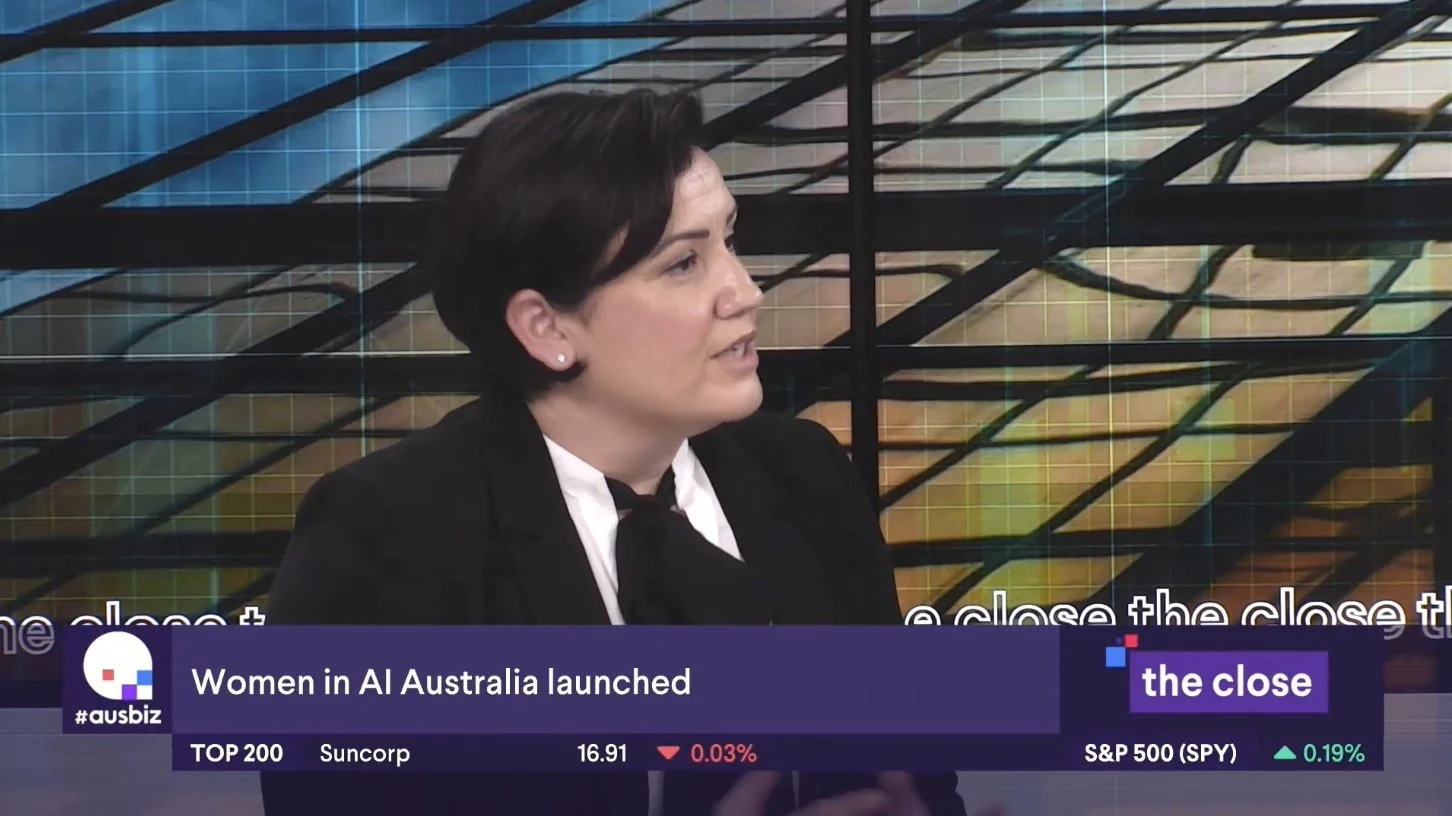
Women in AI Australia on AusBiz
Read More
When Should Students Start Using AI?
Juliana reflects on AI literacy frameworks, neuroscience, and the risks of premature exposure to generative AI. How do we balance learning, effort, and cognitive growth in the classroom?
Women & Work: Shaping Australia’s Future Through an Inclusive Lens
Artificial intelligence is changing the nature of work, but who it serves depends on how we design it. Across Australia, AI presents both opportunity and risk for women. It can amplify productivity, free time for meaningful work, and open new career pathways. Yet without intentional inclusion, it risks widening the digital divide and reinforcing existing gender gaps. As Australia embraces AI, now is the time to shape a future where women’s participation drives both innovation and equity.

Curiosity vs Convenience
What happens when AI makes things so easy that we stop asking questions? This piece explores how convenience can dull our curiosity, and why the future of responsible, human centred work depends on our willingness to stay curious, even when technology offers the shortcut.

Effort is Key
This blog is a reminder that while AI can enhance communication, it can’t replace sincerity. True relationships are built on genuine effort. Showing up, following through, and sounding like you. In a world of automation, your human touch is still your greatest advantage.

Dinner Talks
A family dinner sparks reflection on gender imbalance. Why are women in leadership and industry still the exception, not the norm? Let’s change the story.

Control or controlled?
A reflection on who truly holds the power, us or the systems around us. Control or Controlled? challenges readers to pause, question their autonomy, and reclaim agency in a world shaped by technology and habit.

Solutions are not that simple…
This blog reflects on the complexity of AI in education and the human desire for quick fixes. Drawing from real stories and family discussions, it challenges readers to move beyond fear or blind optimism. Urging open, responsible conversations that shape new solutions for an unprecedented future.